
RESTORING NATURE
Discover how farmers, land managers and local partners are working together across the Eden Valley to restore habitats, strengthen wildlife populations and build a more resilient, nature-rich catchment.
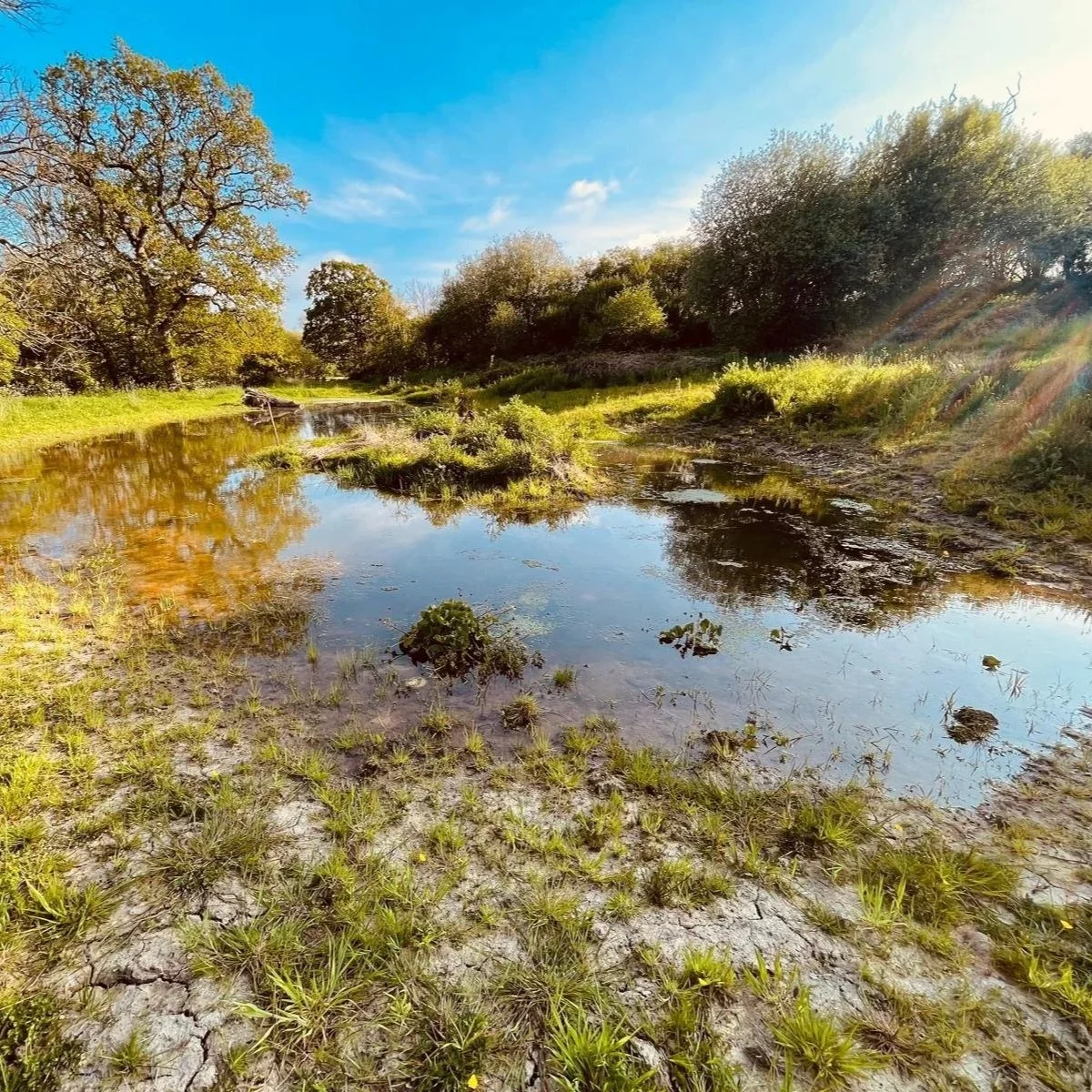
Pond Restoration
Farm ponds are a familiar part of the rural landscape, but many have been lost over time through infilling or lack of management. Within the Eden Valley Farm Cluster, we have identified a ‘ghost pond’ – a pond that once existed but has since been filled in and could be restored.
Ponds are a priority habitat, providing vital breeding and feeding areas for a wide range of wildlife, including amphibians, insects, birds and mammals. Alongside the ghost pond, several existing farm ponds across the cluster would benefit from restoration. Some are becoming overgrown and need careful vegetation management, while others have filled with silt and would benefit from desilting to reopen the water and improve their value for nature.
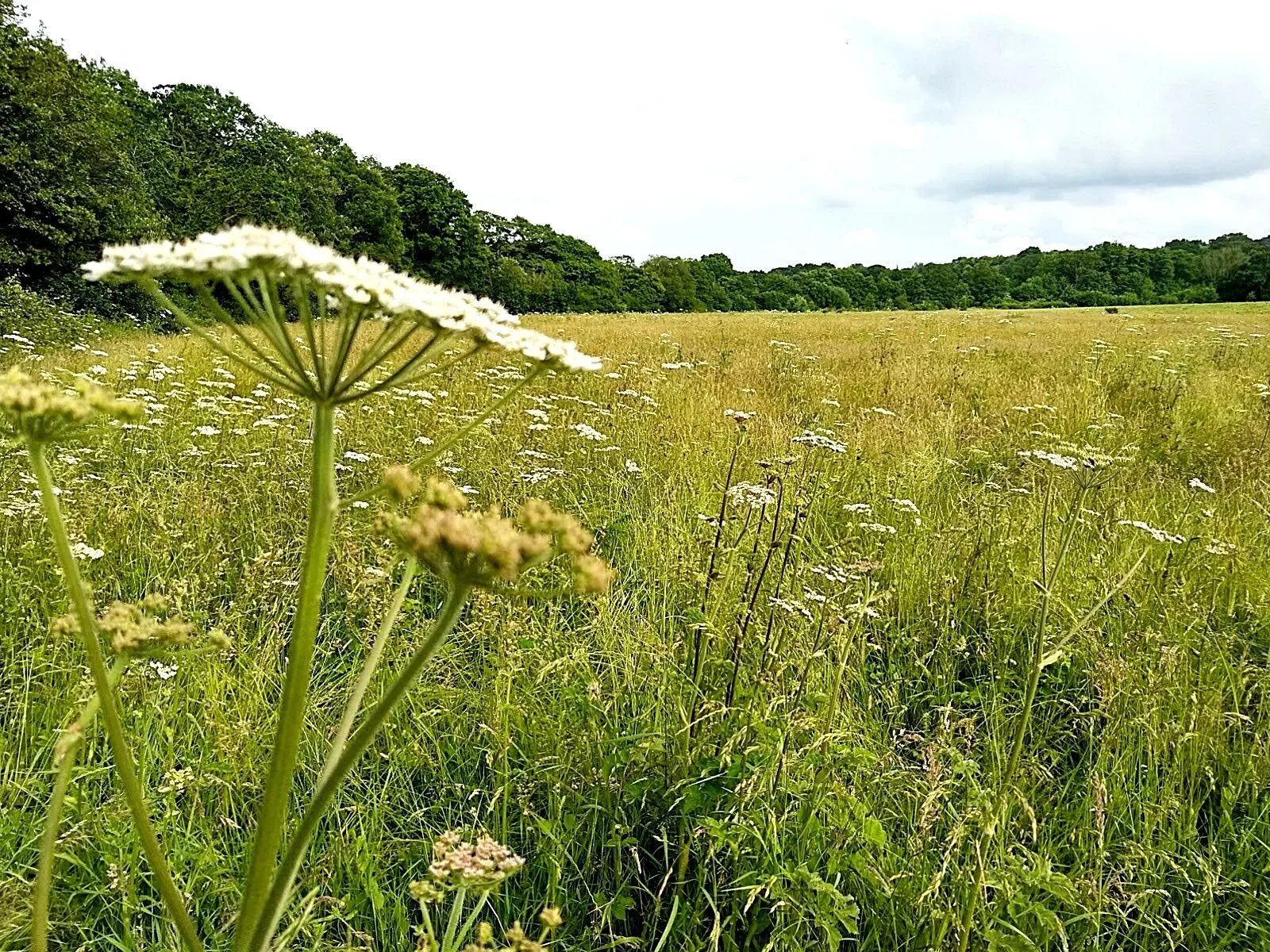
Lowland Meadow Restoration
We have identified areas of land currently managed as arable or intensive grassland that have strong potential to be restored to lowland meadow. This is a rare and rapidly declining habitat, with around 98% of the UK’s traditional flower-rich meadows lost over the last century. Lowland meadow is a defining feature of the Low Weald, where much of the Eden Valley Farm Cluster is based.
The parcels we have identified link together to form a connected habitat corridor through the Eden catchment. By focusing on soil health, our aim is to create a joined-up, landscape-scale meadow network that avoids fertiliser inputs, keeps soils intact and supports a diverse mix of native grasses and wildflowers. These species-rich meadows will help stabilise soils, improve resilience to climate change and provide vital habitat for invertebrates and other wildlife, delivering long-term benefits for both nature and the wider landscape.
Nature-based Solutions
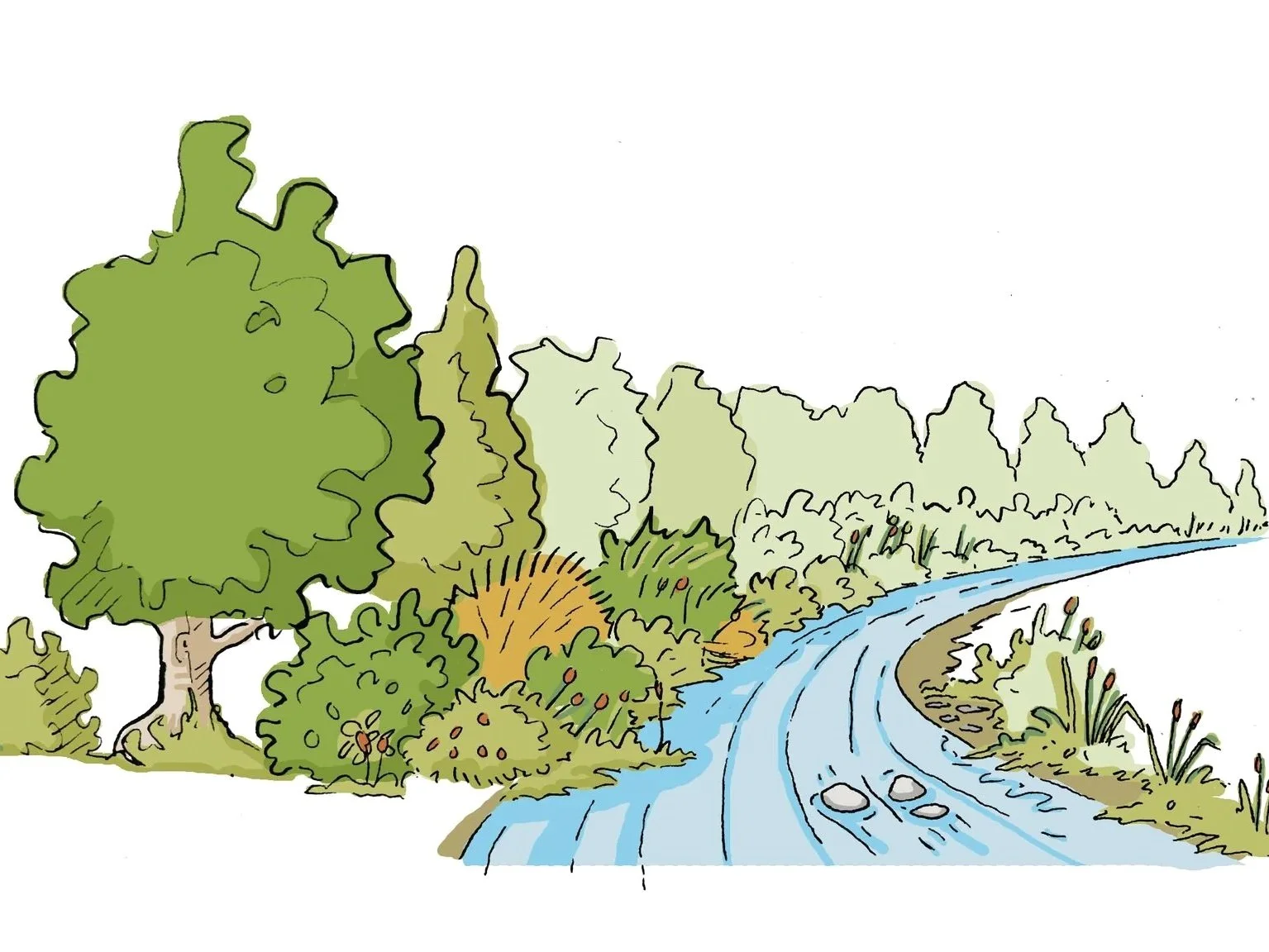
Working with our project partner, SES Water, we are planning to create a ‘3D buffer’ along the River Eden near Edenbridge. Unlike a traditional grass buffer strip, a 3D buffer includes a mix of trees and shrubs with deeper root systems and varied structure. This approach will help stabilise the riverbank, reduce erosion, and capture nutrients and pollutants before they reach the river, while also creating high-quality habitat for wildlife along the water’s edge.
We are also exploring the use of short rotation coppice (SRC) willow. This fast-growing crop can deliver multiple benefits: strengthening riverbanks, improving water quality, and supporting farm businesses by providing a sustainable source of nutritious fodder and bedding for livestock.