
WELCOME
Formed in 2022, the Eden Valley Farm Cluster brings together farmers across the Chiddingstone, Edenbridge and River Eden catchment to work at a landscape scale for resilient food production, healthier rivers and thriving nature. Working in partnership with SES Water around Bough Beech Reservoir, the cluster is united by three core pillars: supporting sustainable farming and food security, improving water management, and restoring wildlife-rich landscapes across this clay-soil catchment.
About the cluster
Formed in 2022 at Bore Place, the Eden Valley Farm Cluster brings together farmers across the Chiddingstone and Edenbridge area to work collaboratively at a landscape scale. What began as a forum to navigate changes in farm payments has grown into a partnership focused on sustainable farming, healthy rivers and thriving wildlife. SES Water is a key project partner, supporting the cluster due to its location around Bough Beech Reservoir and the River Eden catchment.
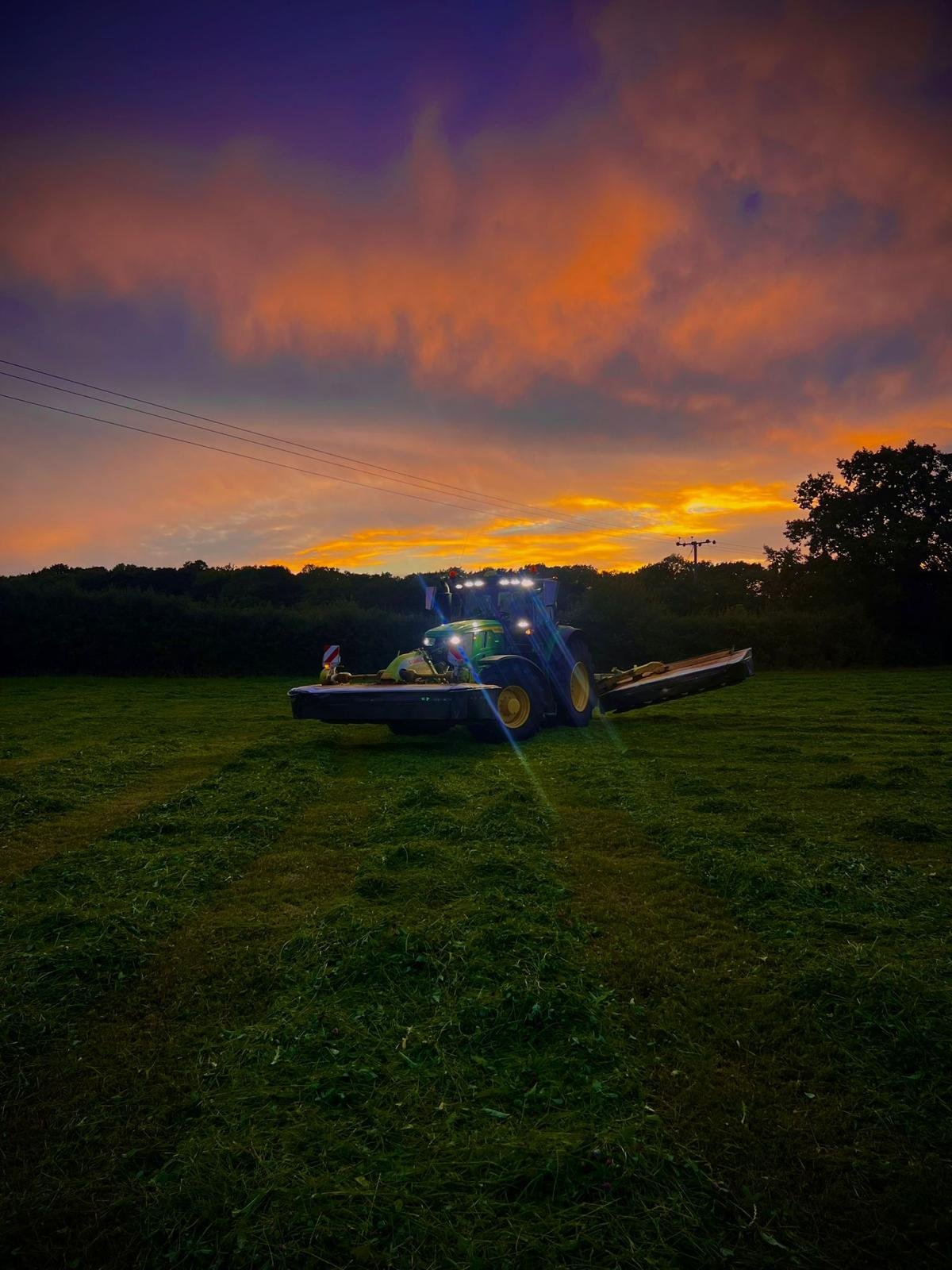
The cluster spans 2,541 hectares of largely contiguous farmland, stretching north to Ide Hill, south towards Penshurst and west to Dormansland. Farming across the area is mixed, with arable, beef and dairy enterprises rooted in the heavy clay soils of the Eden Valley.
Our work is guided by three core pillars: supporting food security and resilient farming, improving water management, and restoring nature across the wider landscape.
Our landscape and catchment.
The River Eden is a tributary of the River Medway, flowing for around 30km from Oxted through Edenbridge and Chiddingstone to Penshurst. The wider catchment covers around 230km² and is underpinned by heavy Wealden clay, creating a ‘flashy’ landscape where water runs off quickly, increasing flood and erosion risk and highlighting the need for good land and water management.
Across the cluster, a rich mix of habitats – including lowland meadows, grassland, ancient and deciduous woodland, and an extensive hedgerow network – support wildlife and connect the River Eden with surrounding farmland. Ongoing surveys are helping us understand habitat condition and improve connectivity across the landscape.
Recent bird surveys have recorded 42 species across three farms, including red-listed linnet and amber-listed woodpigeon, showing the value of existing habitats and guiding future nature recovery work.
In 2025, a soil carbon baseline was completed across 1,700 hectares, providing vital evidence on soil health, carbon storage and the impacts of different land management approaches.
We are now developing nature-based solutions, such as ponds, river buffers and floodplain meadows, to improve water quality, slow the flow during heavy rainfall and create new wetland habitats.
Fun facts about the cluster
Red-listed linnets were one of the most frequently spotted birds on our farms during this year’s surveys.
The catchment’s Wealden clay creates a ‘flashy’ landscape, where rain runs off quickly rather than soaking in.
The cluster brings together arable, beef and dairy farms across 2,541 hectares of the Eden Valley.