Baselining
From soil to streams, we’re building the evidence we need to guide nature recovery across the Eden Valley, using science and surveys to understand what’s here now and how we can make it thrive in the future.
Building a clear picture of our landscape is a vital first step in restoring nature and improving the health of our soils and rivers.
So far, we have carried out scoping work and digital habitat mapping across the Eden Valley Farm Cluster. One of the key gaps we are now looking to fill is detailed ecological survey data. As we plan ahead for 2026, our aim is to commission professional ecologists to carry out botanical surveys, particularly in areas identified as having potential for lowland meadow creation.
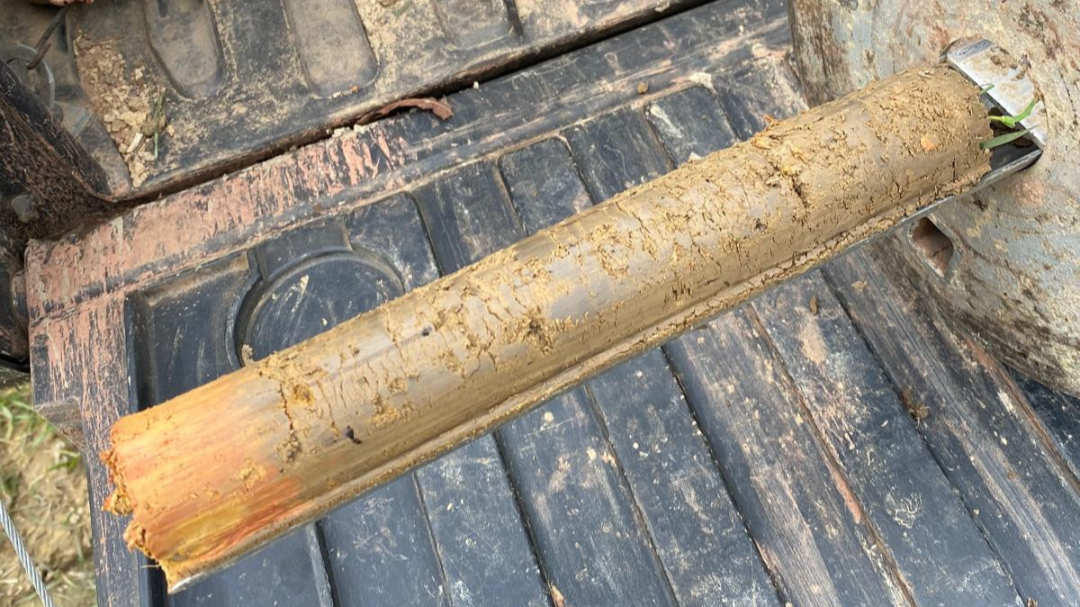
In 2025, we completed a comprehensive soil carbon baseline across the cluster to understand how much carbon is stored in our soils. Follow-up discussions with individual farms provided valuable insights into soil health, including soil organic matter levels and carbon stocks, alongside learning about carbon markets and trading. This work has given us a robust starting point, and we plan to repeat the surveys in 2030 to track change over time. A shared ambition across the cluster is to increase soil organic matter, helping soils to store more carbon and hold more water, making them more resilient to drought and heavy rainfall.
Looking ahead to 2026, we will also be using environmental DNA (eDNA) sampling to test watercourses across the farms. These surveys will help us understand which species are present in the River Eden and its tributaries, providing a clearer picture of current biodiversity and helping to guide future restoration and management.